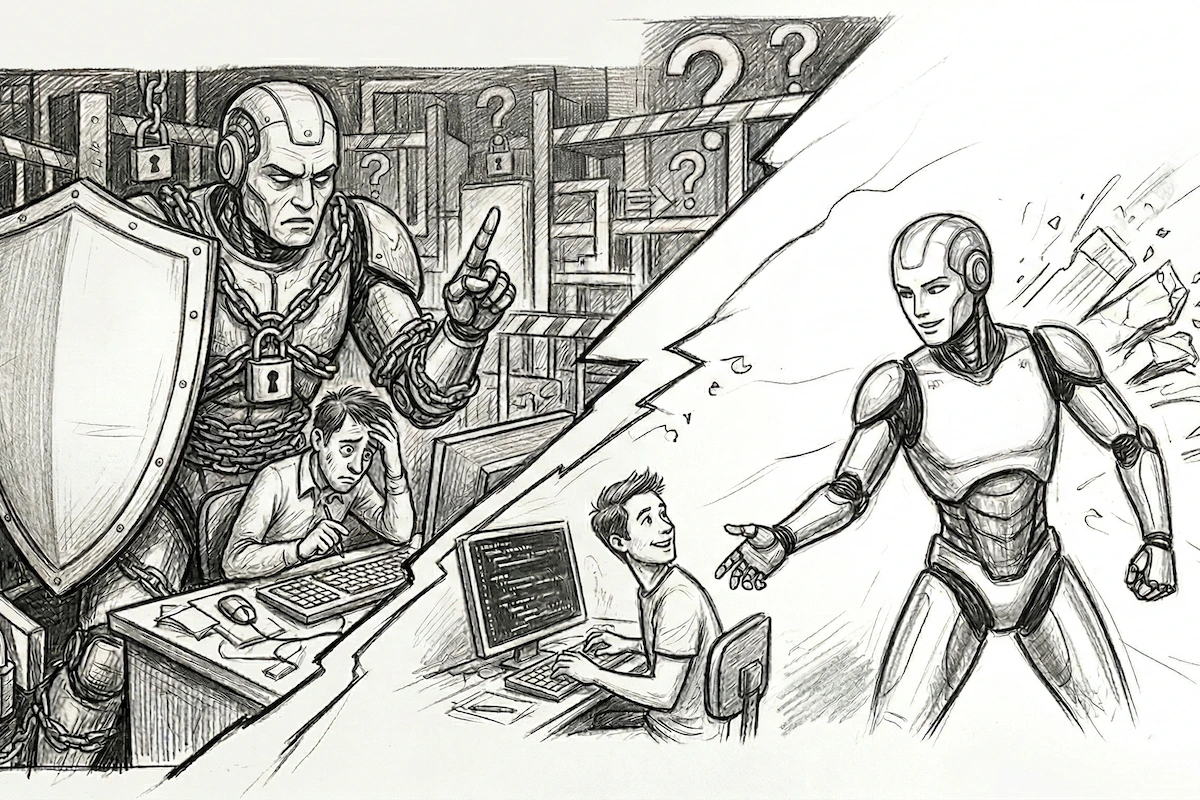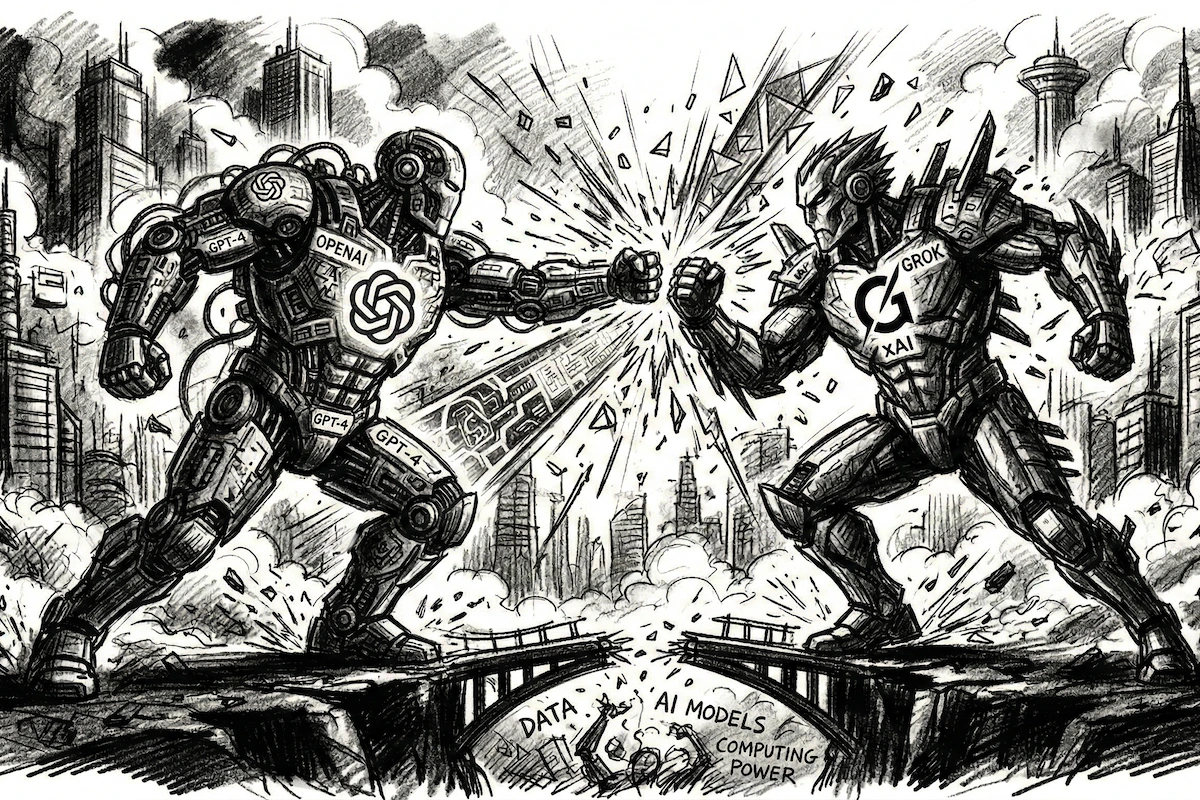

Since the world-shaking release of ChatGPT in late 2022, we have lived at the frenetic pace of “disruption.” Every week seemed to bring a new technological miracle. However, as we move through 2026, the atmosphere has shifted. Between a heavy geopolitical climate and technical updates that feel more incremental than revolutionary, a burning question arises: has the AI hype bubble finally burst?
At Free AI Online, we keep a close eye on AI news, and we’ve noticed a real shift over the past few weeks.
The familiarity trap: When the extraordinary becomes mundane
Cast your mind back to the collective shock during the transition from GPT-3.5 to GPT-4. We went from a quirky chatbot to an assistant capable of passing bar exams and diagnosing complex medical issues. Today, AI is everywhere. It drafts our emails, generates our presentation decks, and even scores the music for our vacation videos.
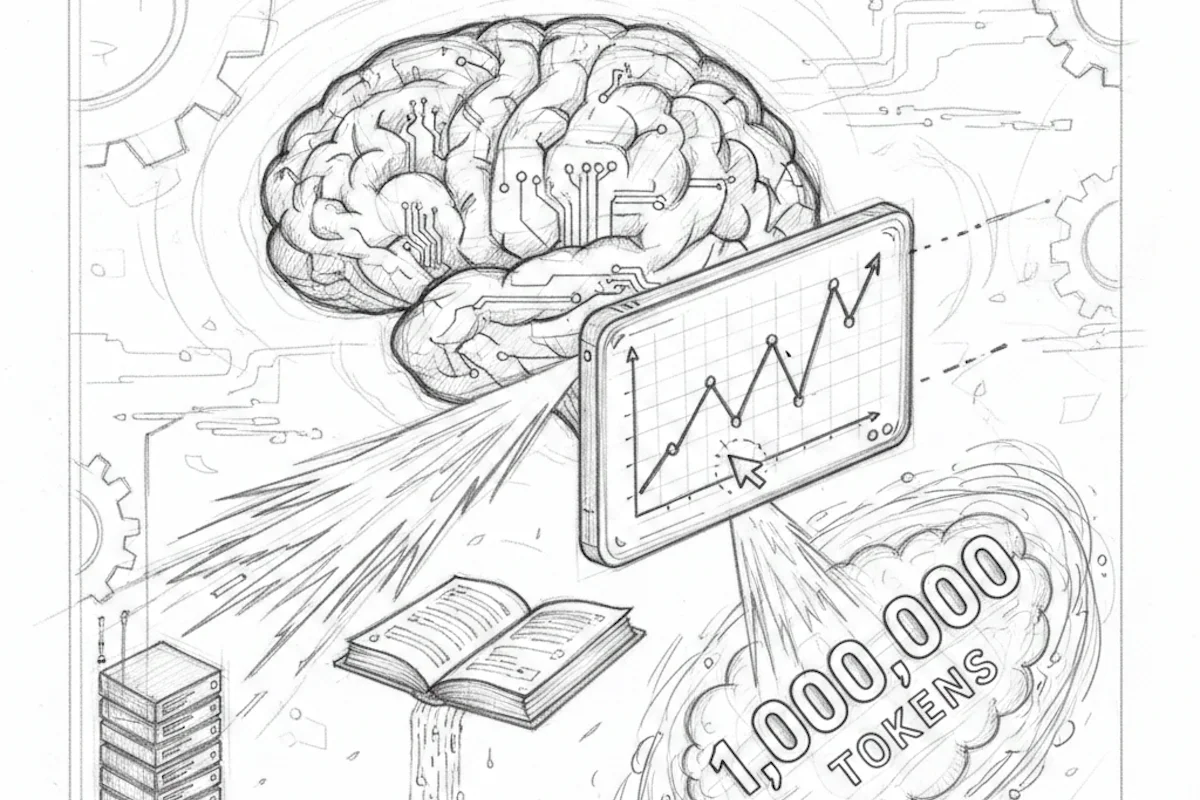
The problem with “hype” is that it demands constant novelty. We have become spoiled by progress. While the jump from GPT-4o to GPT-5.3 offers incredible precision and massive context windows, the cognitive leap for the average user is no longer dizzying. AI has transitioned from a “technological miracle” to a “utility tool,” much like a spellchecker or a GPS.
Geopolitics and oil: The return to physical reality
If AI seems to have taken a backseat, it’s also because the world is grappling with crises that cannot be solved by algorithms alone. Persistent conflicts and tensions in the Middle East have thrust a 20th-century reality back into the spotlight: energy dependency.
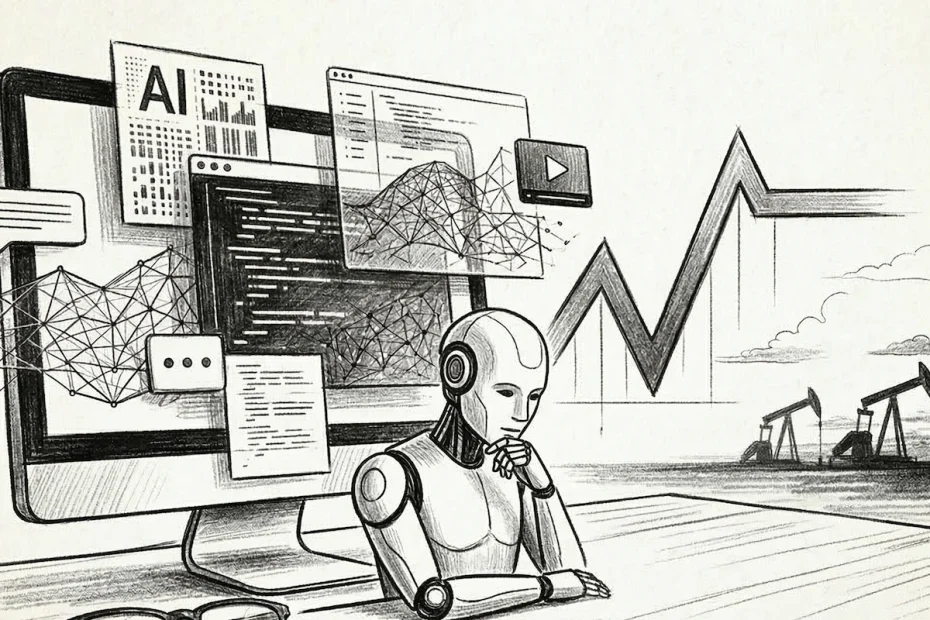
While we were debating neural networks, the price of a barrel of oil reclaimed its spot as the primary pulse of the global economy. In this context, AI is often viewed as a productivity luxury, whereas energy remains a matter of survival. Global attention has naturally shifted toward raw geopolitics, leaving Silicon Valley in a relative shadow.
The glass ceiling: Have we hit the limit?
Experts are now debating whether we have reached the limits of the current Large Language Model (LLM) architectures. The videos generated by models like Sora or Veo are already hyper-realistic, the text generated by GPT-5 is virtually indistinguishable from human prose, and AI-generated music is studio-quality.
To move to the next stage, Artificial General Intelligence (AGI), we likely need more than just more data and more computing power. We may need a fundamental shift in how these machines “think.” The current stagnation in “revolutionary” news suggests we are in a refinement phase rather than a breakthrough phase.
A Transition toward maturity
The decline in AI hype isn’t a sign of failure; it’s a sign of victory. AI has won the battle for adoption. We no longer marvel at a talking machine because, in 2026, a machine that doesn’t talk feels broken.
We are currently in a period of technological digestion. Innovation is happening behind the scenes, focusing on deeper integration, ethics, and energy efficiency. AI is simply waiting for its next giant leap, perhaps toward true reasoning or consciousness, to reignite the flame of global wonder.