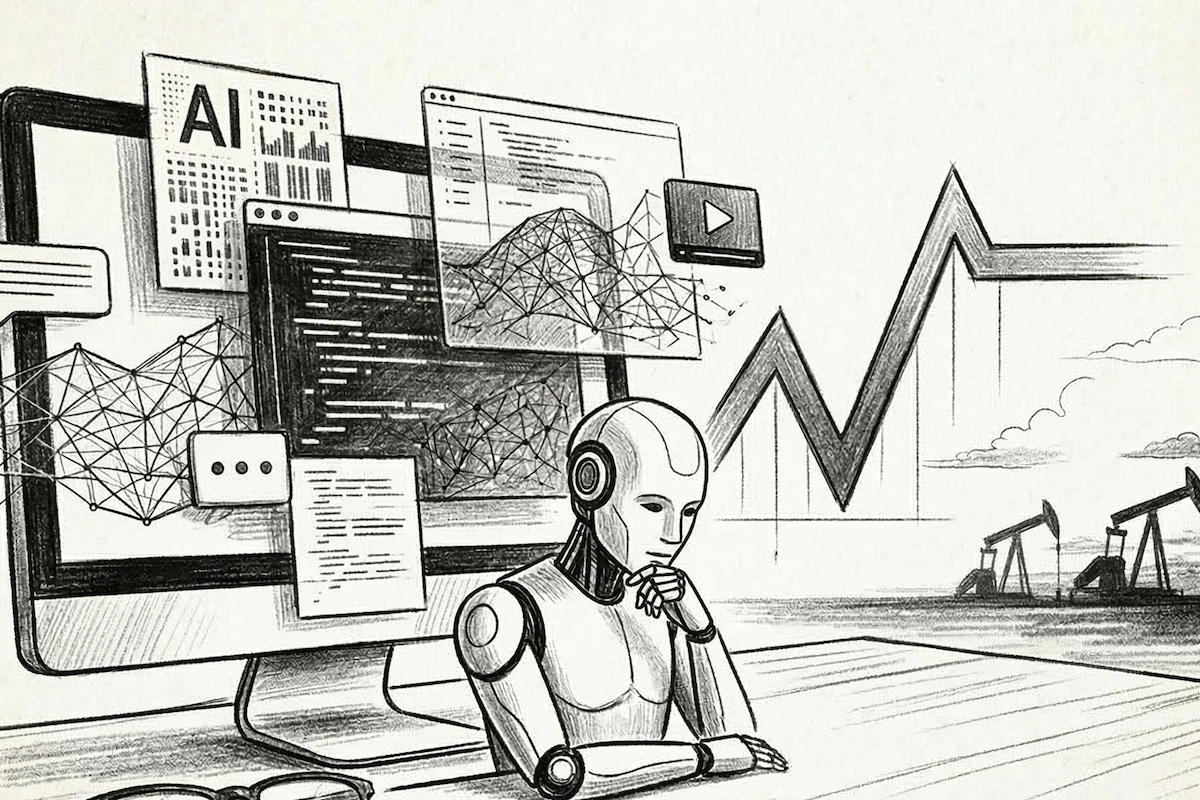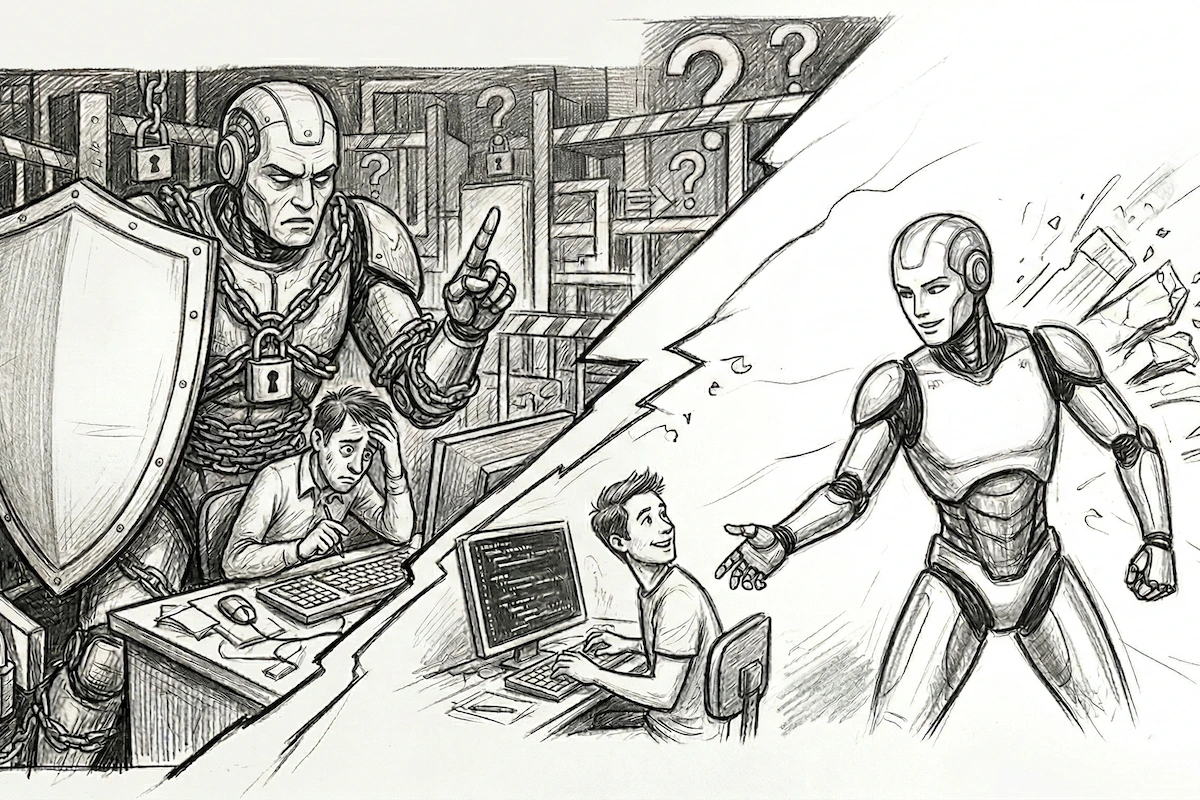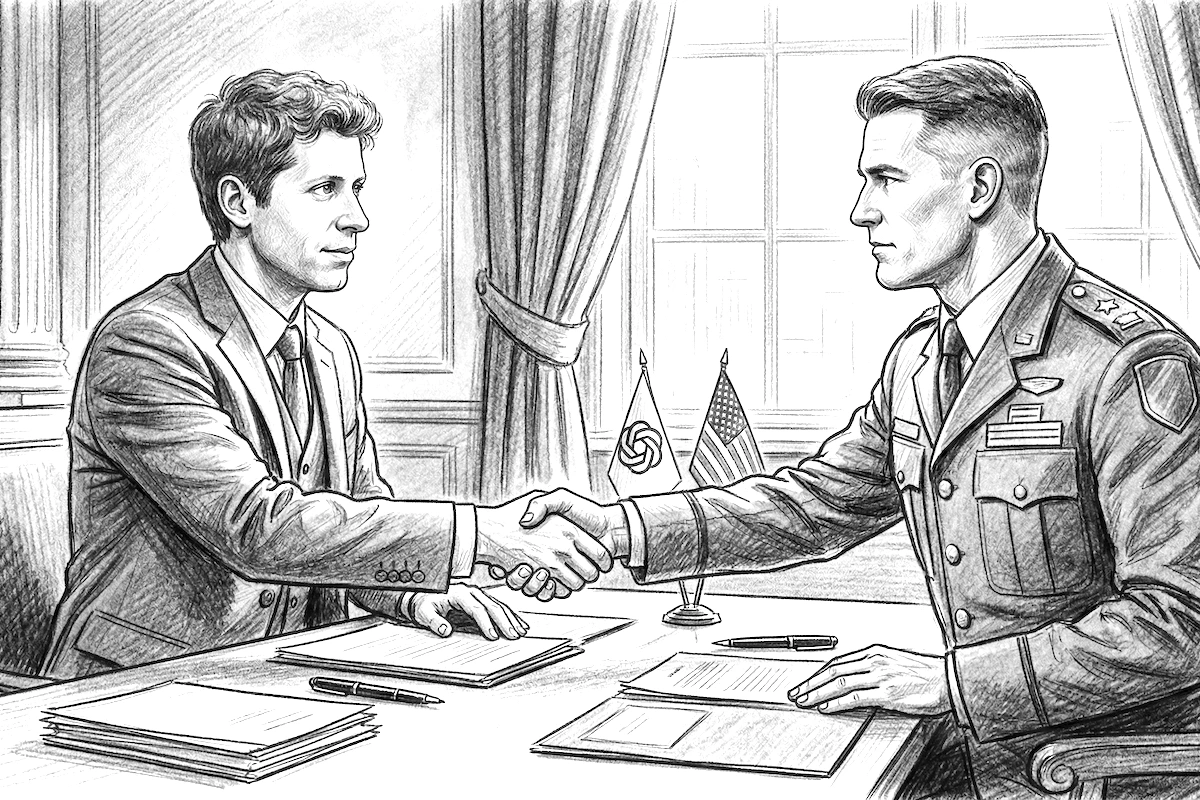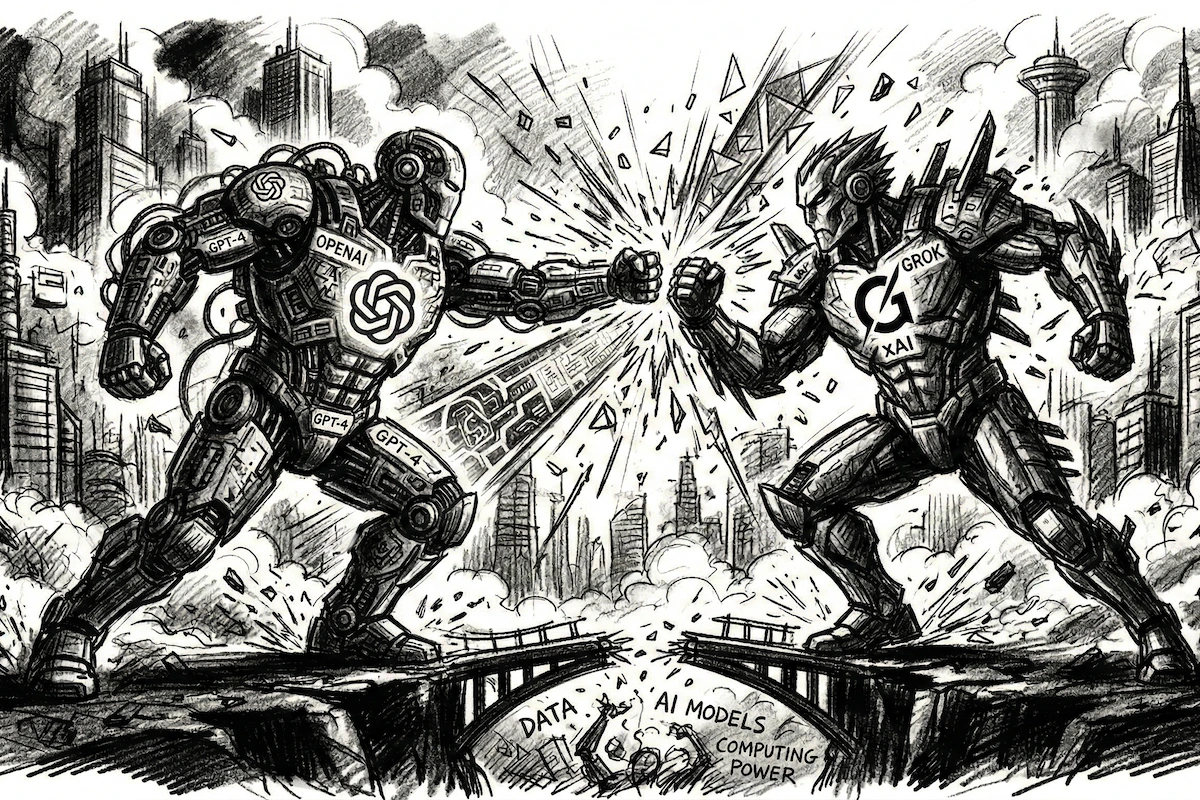


In mid-November 2025, during a BBC interview, a journalist asked Sundar Pichai a deceptively simple yet mind-blowing question: “Could an artificial intelligence one day do your job?” The CEO of Alphabet, Google’s parent company, didn’t dodge it.
His blunt, almost casual reply is now making waves across Silicon Valley: “The role of a CEO will probably be one of the easiest things for AI to do in the future.”That single sentence is enough to send chills down the spine of most C-suite executives on the planet. Yet Pichai, far from sounding alarmed, immediately followed up with a remarkably optimistic take: the massive arrival of AI in the job market won’t lead to mass unemployment, but to a profound, and ultimately positive, transformation of work itself.
Why would a CEO’s job be “easy” to replace?
At first glance, the idea seems absurd. Running a $2 trillion company, making decade-long strategic bets, handling shareholders, regulators, and geopolitical crises, surely that demands massive amounts of human intuition, empathy, and guts.But Pichai sees it differently.
To him, a huge portion of a modern CEO’s workload already consists of processing enormous volumes of information, modeling scenarios, optimizing resources, and repeatedly communicating a clear vision. These happen to be exactly the areas where today’s most advanced AI models already shine, and will dominate even more tomorrow.
An ultra-powerful AI agent, connected in real time to every piece of company, market, and global data, could theoretically:
- Analyze hundreds of thousands of weak signals far faster than any human,
- Simulate tens of thousands of strategies and select the most resilient ones,
- Draft crystal-clear internal and external communications,
- Thanks to advances in emotional AI, even gauge employee morale and tailor messaging accordingly
The bigger questions—true inspirational leadership, the guts to place crazy bets, or the strength to say “no” to Wall Street when needed—remain open. Pichai is careful: he’s not claiming AI will fully replace human CEOs by 2030, but that the technical bar to perform 80% of a current CEO’s tasks will be cleared much sooner than most people expect.
A reassuring message about jobs
What stands out most is the tone. While Sam Altman of OpenAI swings between techno-enthusiasm and apocalyptic warnings about employment, Sundar Pichai strikes an almost soothing note. History, he says, shows that every major technological wave (mechanization, computing, the internet) ultimately created more jobs than it destroyed, and, more importantly, better, less repetitive, and more creative ones.
He points to software developers: many predicted their demise with the arrival of GitHub Copilot and code-generating AIs.
The opposite happened. There are now more programmers than ever, they earn higher salaries, and they finally get to spend their time on complex, interesting problems instead of tedious maintenance.“AI won’t take your job,” Pichai predicts, “but someone who knows how to use AI very well might take the job of someone who doesn’t.”
It’s a line that feels straight out of the 1990s and early 2000s, except back then the magic tools were Excel and the internet.
Read more : AI 10,000 Times Smarter Than Humans: Masayoshi Son Predicts We’ll Become “Goldfish”
Toward human-machine co-leadership?
Behind the displayed optimism, a new reality is emerging: tomorrow’s CEOs may no longer work alone. We can already imagine an unprecedented tandem: a human leader embodying vision, values, and ultimate accountability, paired with one or several hyper-specialized AI agents (strategy, finance, HR, geopolitics, etc.).
The model already exists in small forms. Some startups have appointed virtual AI “chiefs of staff.” Certain hedge funds fully delegate investment strategy to algorithms. Why not, tomorrow, an officially named AI co-CEO on the board?
What if it’s already happening already?
We sometimes forget that Sundar Pichai runs a company where AI already plays a massive role in decision-making. Algorithms decide the ranking of search results (and thus billions in revenue), optimize data centers in real time, and steer advertising campaigns. In many ways, a significant chunk of power at Google is already in the hands, or rather the neural weights, of AI systems.
When Pichai says the CEO job will be “easy to automate,” he may be speaking from experience: he knows the line between leading and being led by intelligent systems is getting blurrier by the day.One question remains, and even Google’s boss can’t dodge it: the day an AI is technically capable of doing as well as (or better than) a human CEO, who will decide whether or not to hand it the keys to the company? Shareholders? Employees? Governments?
For now, Sundar Pichai’s answer is clear: it will still be humans. At least for a while.