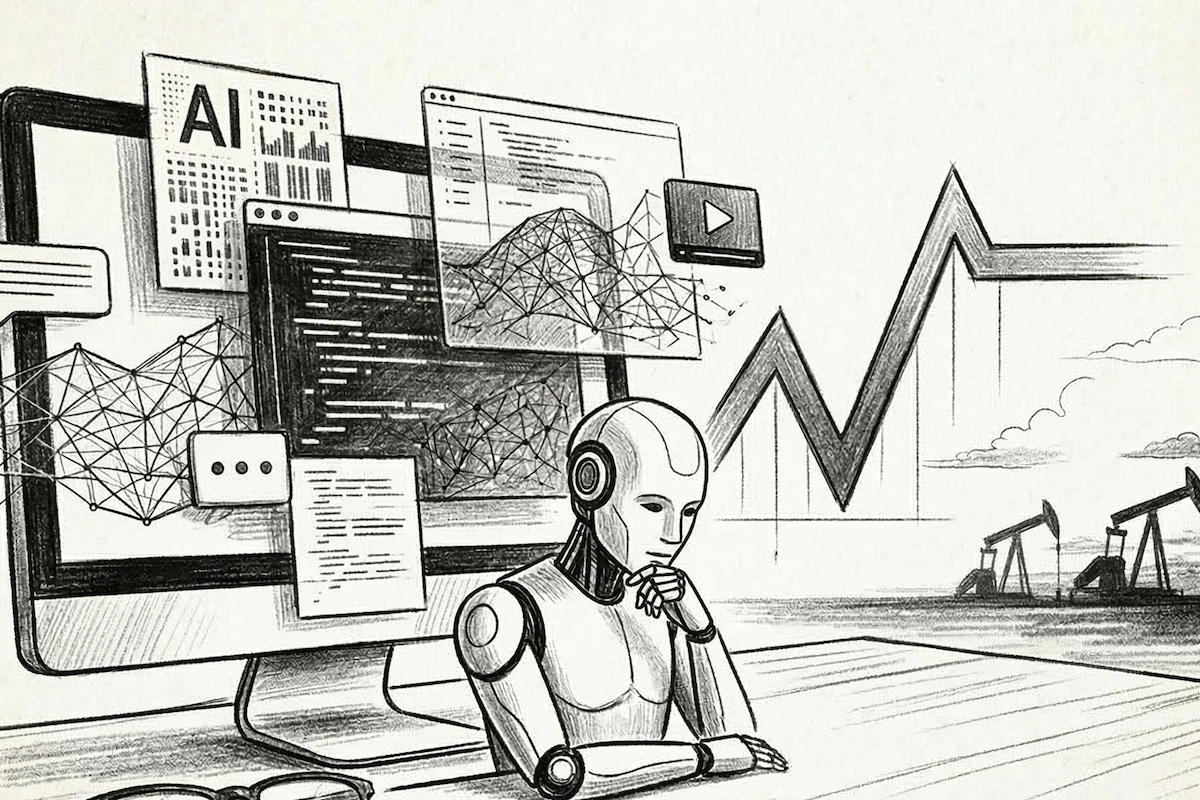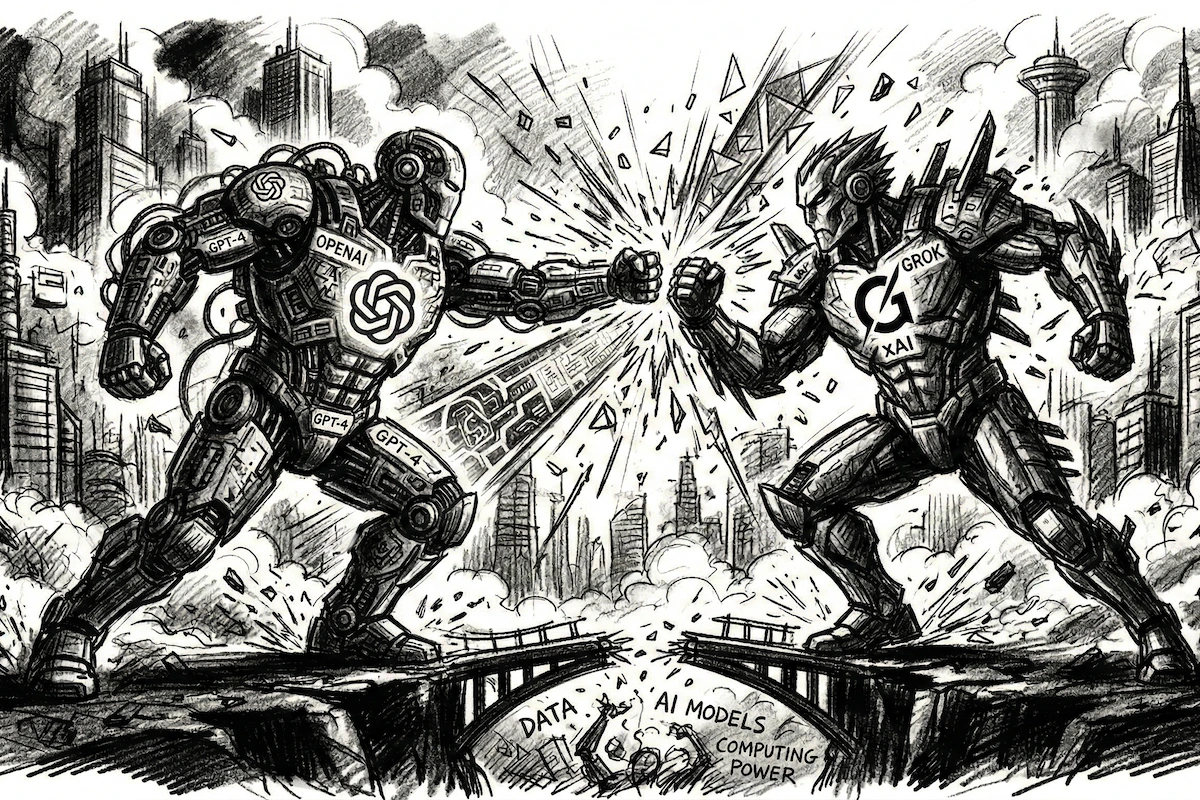

AI is redefining the boundaries of technological power, and Jensen Huang, CEO of NVIDIA, has issued a stark warning. At, Speaking at a recent event in London, he predicted a Chinese victory in the race for cutting-edge AI, while sharply criticizing U.S. policies that, in his view, are hindering American progress.
These remarks, as reported by the Financial Times, highlight a paradox: Washington’s efforts to contain Beijing may inadvertently accelerate the adversary’s supremacy.
China’s Decisive Advantage
Huang points to a critical edge for China: massive energy subsidies provided by the Beijing government. These substantial incentives enable Chinese companies to scale up energy-hungry data centers on a grand scale, essential for training the most advanced AI models.
In contrast to the constraints faced by U.S. players, limited by high energy costs and strict regulations, China benefits from a supportive environment that boosts its production of specialized semiconductors. NVIDIA, the global leader in AI-essential GPUs, is seeing its cutting-edge technologies bypassed or replicated by local competitors emerging at breakneck speed.U.S.
Export Restrictions: “Counterproductive”
The NVIDIA chief does not mince words in calling U.S. export restrictions on its chips “counterproductive.” Designed to curb China’s technological rise, these measures, which ban sales of certain high-tech components to Chinese entities, effectively deprive the United States of a colossal market and opportunities for collaborative innovation.Huang urges an acceleration of American investments, not only in R&D but also in energy infrastructure and incentive-driven policies.
Without this, he argues, China will not merely catch up, it will secure an insurmountable lead in generative AI applications, advanced robotics, and autonomous systems.
A Broader Geopolitical Context
Huang’s analysis is not isolated; it fits into a tense geopolitical landscape where AI has become a matter of national sovereignty. As giants like Huawei and Baidu rack up breakthroughs despite sanctions, the United States risks seeing its leadership eroded.
For Huang, the urgency is clear: turn barriers into catalysts for domestic innovation.
Otherwise, the AI race could end with a red flag flying atop the global technology podium.
This wake-up call invites a rethinking of global strategies for a future dominated by artificial intelligence.