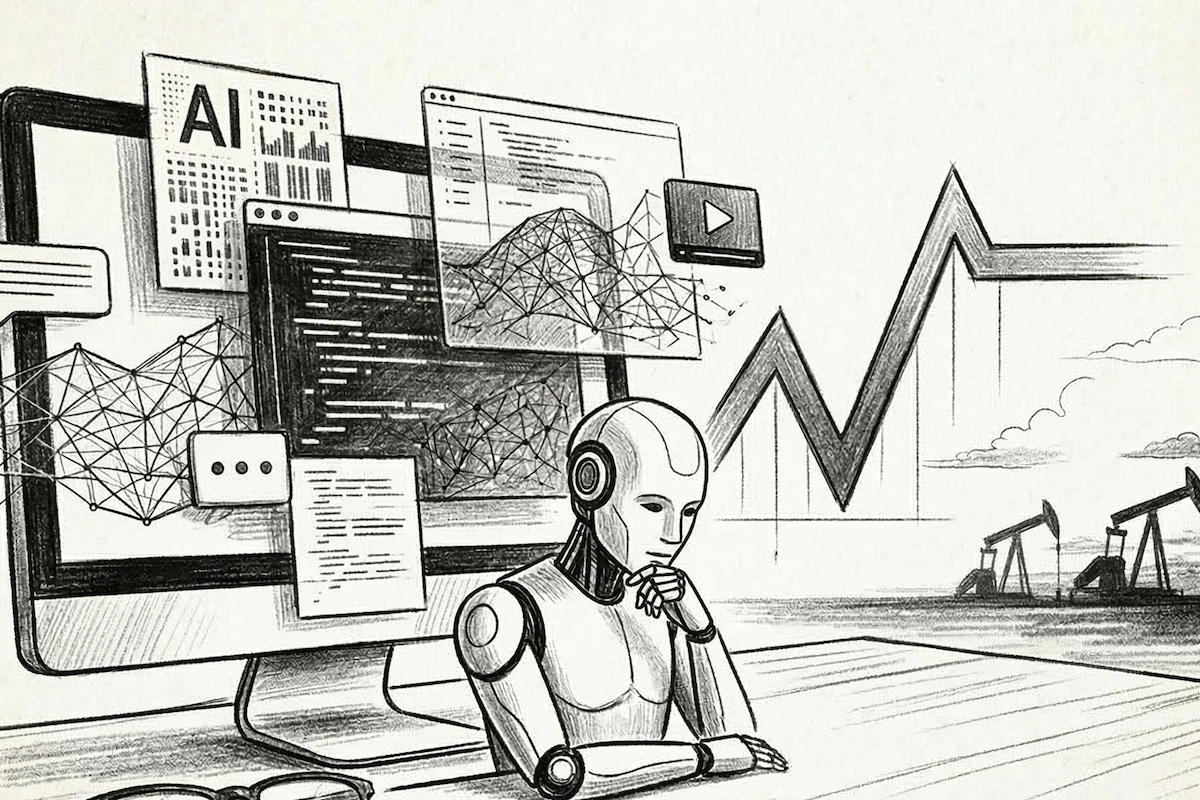

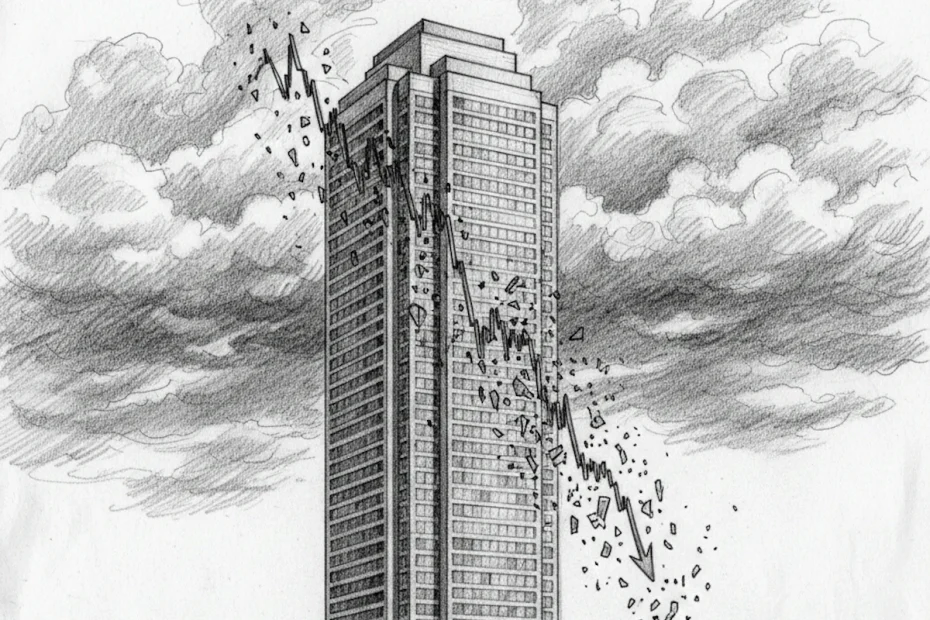
It is a shockwave that has sent tremors through Silicon Valley and investor portfolios alike. In a single session, the Redmond giant saw nearly $440 billion in market capitalization evaporate—a brutal 10% drop. Yet, looking at the balance sheet, the situation seems almost contradictory: revenue is climbing, and profits have exceeded initial forecasts.
So, why the sudden fallout? The answer lies in two letters: AI.
The spending spree: The heavy toll of infrastructure
The era when artificial intelligence was merely a distant promise is over. To maintain its leadership position, Microsoft has had to foot a spectacular bill. Its capital expenditures (CapEx) reached a staggering $37 billion in the last quarter alone.
The market is beginning to wonder: when will these colossal investments in servers and data centers translate into actual profits? This growing skepticism suggests that the “AI bubble” has entered a painful phase of maturity, where investors are no longer satisfied with vision, they are demanding immediate profitability.
The risky dependency on OpenAI
The other point of friction lies in the close, yet risky, relationship between Microsoft and OpenAI. The revealed figures are enough to make your head spin:
- 45% of Microsoft’s future contracts now depend on technologies originating from ChatGPT’s parent company.
- Meanwhile, OpenAI continues to burn through cash, posting losses in the billions of dollars every quarter.
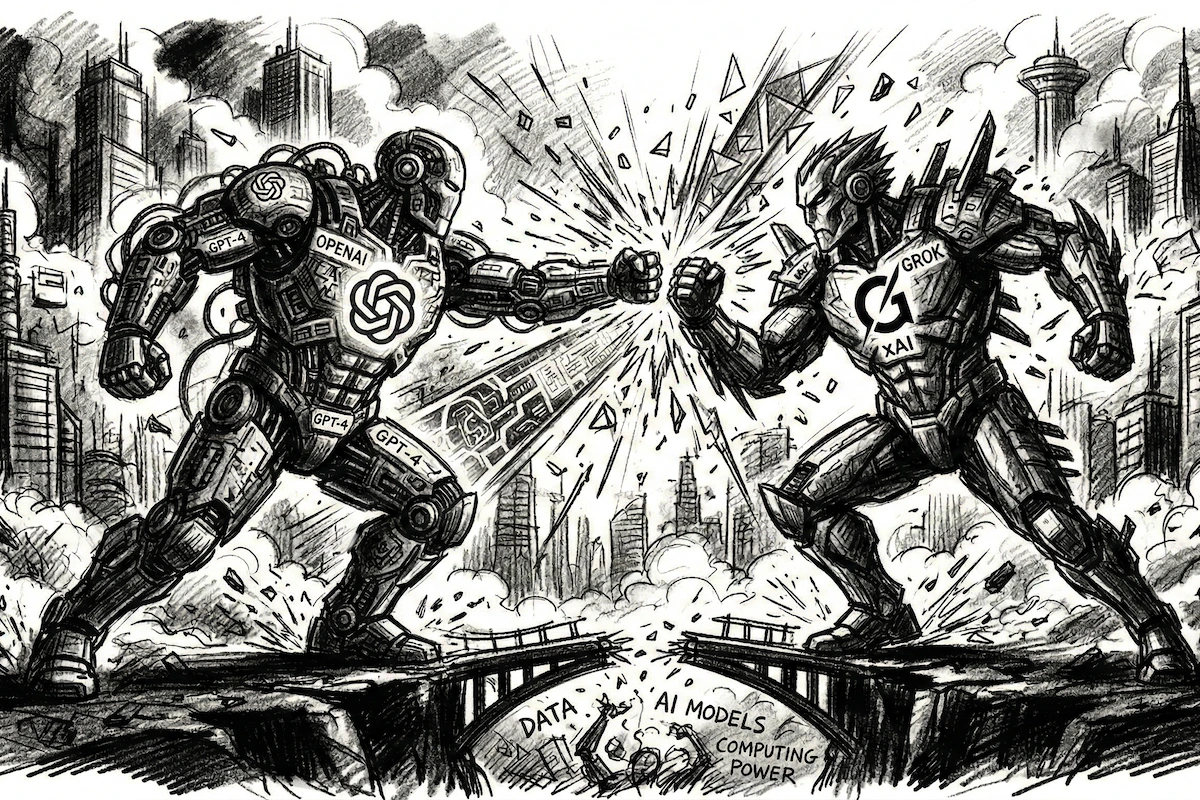
This reliance creates a vulnerability. If OpenAI struggles to reach financial break-even or loses its technological edge to a rapidly catching-up Google, Microsoft’s entire structure could falter.
Related: OpenAI Dreams of Dethroning the App Store
An uncertain future despite solid fundamentals
Despite the massive integration of Copilot into its flagship software, Microsoft finds itself at a crossroads. OpenAI’s potential IPO could bring some clarity, but for now, uncertainty reigns. Shareholders fear that Microsoft has become the banker for a technological revolution whose final rewards are taking too long to materialize.
Source: Wall Street Journal