

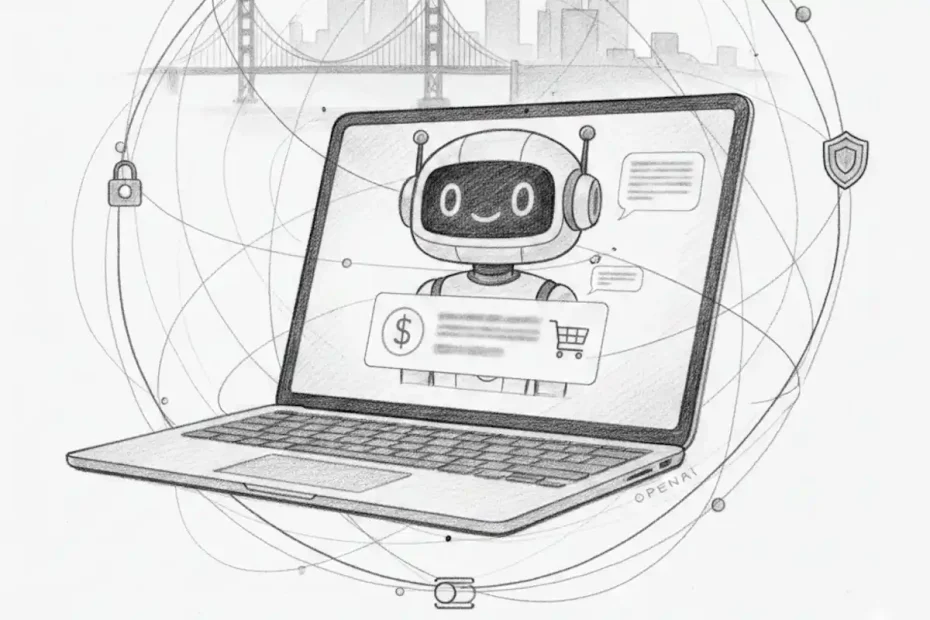
The meteoric rise of OpenAI, now valued at an impressive 500 billion dollars, has reached a pivotal moment where financial sustainability must meet technological ambition. Within the high-stakes environment of Silicon Valley, the debate over how to monetize a massive global user base has finally shifted from theory to practice.
By announcing the introduction of targeted advertising, the AI pioneer is embracing a classic yet effective economic engine. This move signals a transition for ChatGPT, suggesting that the era of entirely unmonetized access is evolving into a more traditional commercial model.
A calculated approach to market segmentation
The initial rollout of this advertising phase is focused on the United States, specifically targeting users of the free tier and the newly launched “Go” subscription. This mid-range plan, priced at 8 dollars per month, represents an effort to find a middle ground between total accessibility and premium service. OpenAI’s objective is to ensure the longevity of its free tools by generating revenue from the segment of its audience that is not yet ready to commit to high-end subscriptions.
Meanwhile, users on Pro, Plus, Business, and Enterprise plans will continue to enjoy an ad-free environment, maintaining a clear distinction between standard and premium experiences.
Related: OpenAI and Amazon Announce $38 Billion Cloud Partnership
Contextual advertising and user privacy safeguards
The technical execution of these advertisements is designed to be highly integrated, appearing at the bottom of chat interfaces with content directly related to the ongoing conversation. Recognizing the sensitivity of AI interactions, OpenAI has implemented several guardrails to maintain user trust. Individuals have the power to hide specific ads, inquire about why a particular promotion was shown, or opt out of algorithmic personalization entirely.
Crucially, the company has pledged to protect minors from ad exposure and guarantees that ChatGPT’s core responses will remain neutral, preventing any brand from purchasing favorable mentions within the AI’s generated text.
Leveraging Friction within the Freemium Model
This strategic maneuver serves a dual purpose beyond simple revenue generation. By introducing visual interruptions for non-paying users, OpenAI creates a deliberate form of friction that encourages heavy users to upgrade to premium, ad-free tiers.
This is a classic application of the freemium strategy, where the free experience acts as both a public service and a funnel toward paid conversion.
To frame this transition positively, the organization maintains that these commercial efforts are necessary to fund its primary mission: ensuring that artificial general intelligence benefits all of humanity, even if that path now includes a few commercial breaks.







Pingback: Google DeepMind Skeptical of OpenAI’s Advertising Strategy
Pingback: Advertising on ChatGPT: OpenAI's new strategic phase begins in the U.S.