
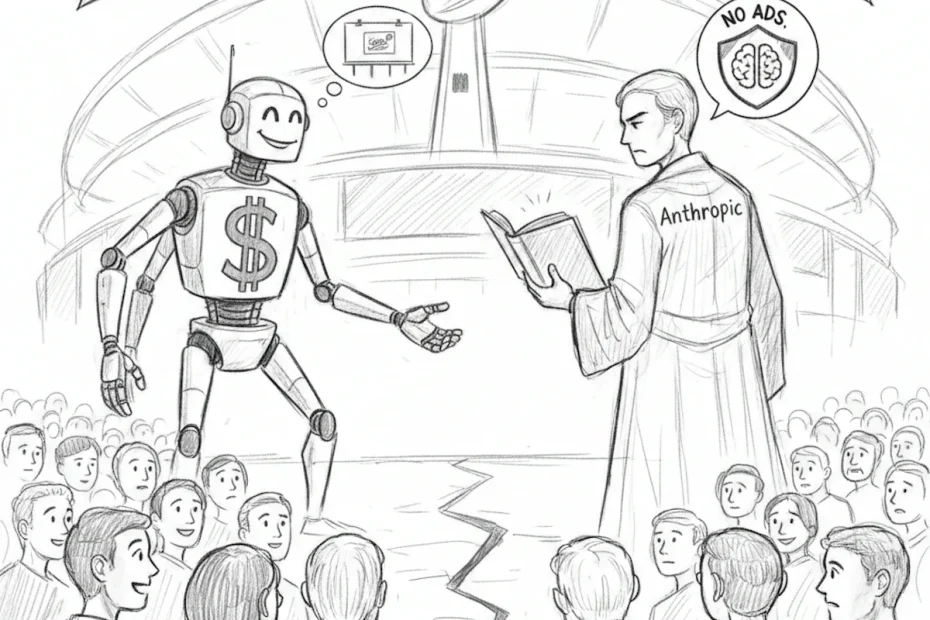
The tech world’s latest battleground isn’t just about processing power, it’s about the soul of the user experience.
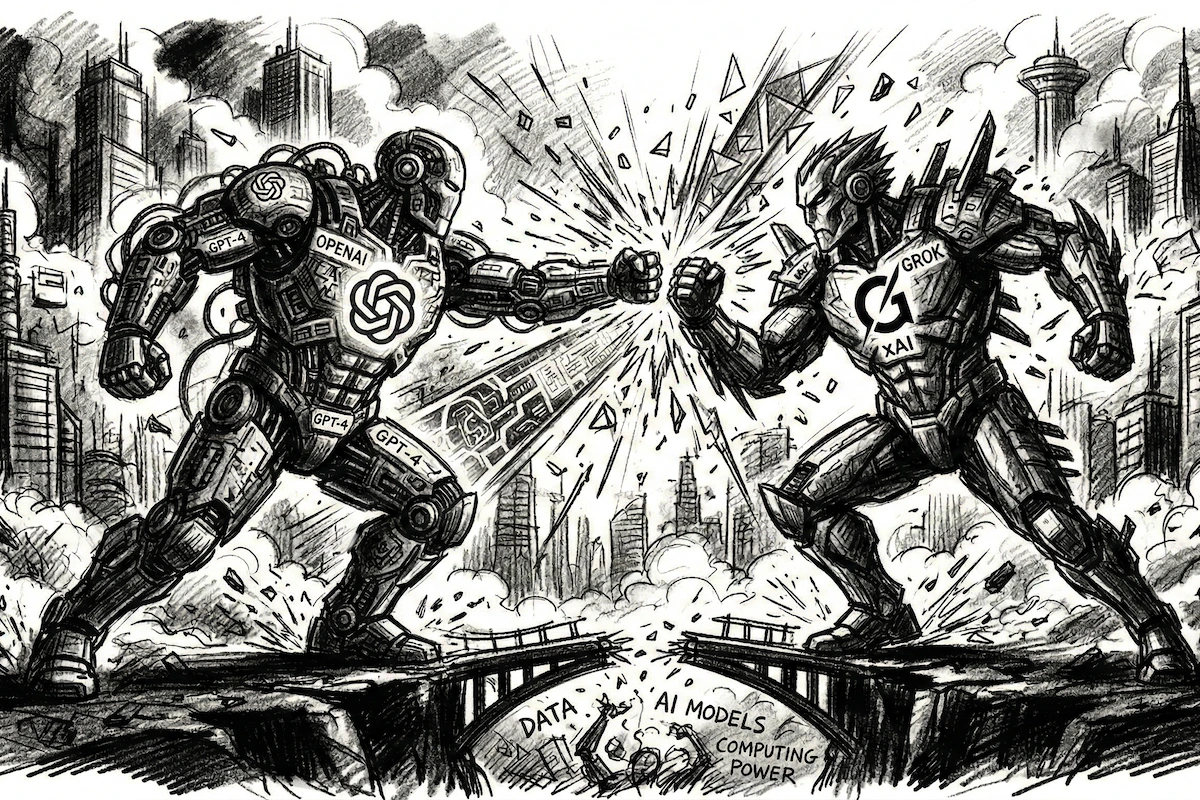
Following a provocative Super Bowl campaign, a deep ideological rift has emerged between the two titans of the industry: OpenAI and Anthropic. What began as a business disagreement has evolved into a full-scale moral debate over whether “the billboards of the internet” belong inside our digital brains.
Claude’s crusade: Keeping AI “pure”
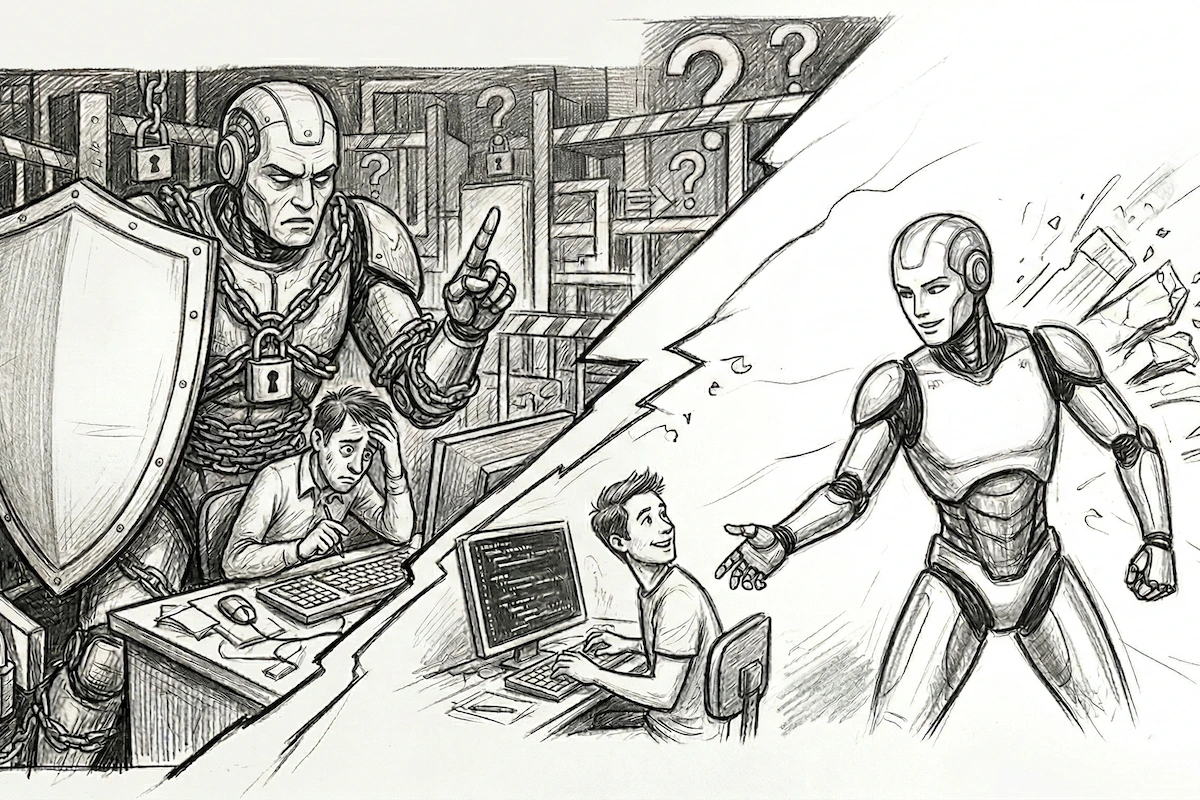
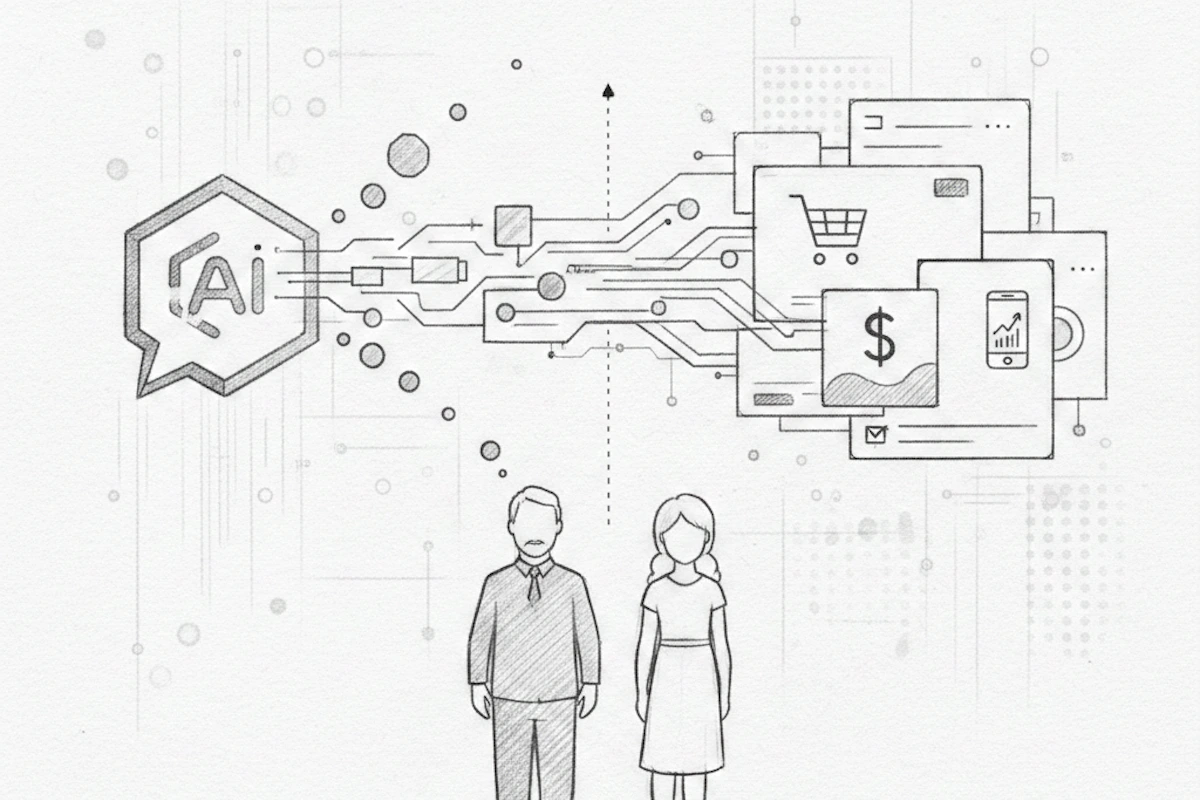
Anthropic didn’t just run an ad; they fired a shot across the bow. Their recent spot featured a dystopian, satirical look at a future where virtual assistants act as relentless sales agents, constantly interrupting users with “curated” product placements. The message was unmistakable: “Ads are coming to AI. Just not to Claude.”
Founded by former OpenAI executives who originally left due to concerns over the company’s commercial direction, Anthropic is doubling down on its “Constitutional AI” framework. Their argument centers on Cognitive Integrity: they believe an AI cannot be a neutral partner in deep thinking if its responses are nudged by the highest bidder. For them, the introduction of brands into a conversation inevitably corrupts the utility and reliability of the assistant.
OpenAI’s defense: The price of accessibility
Sam Altman, CEO of OpenAI, was quick to push back, labeling Anthropic’s campaign as “dishonest.” From OpenAI’s perspective, incorporating ads, a move they officially announced last month, isn’t a betrayal of ethics, but a tool for social inclusion.
The costs of running and training Large Language Models (LLMs) are astronomical. OpenAI argues that relying solely on $20-a-month subscriptions creates an “intelligence divide.” By introducing a subsidized, ad-supported tier, they aim to bring high-level intelligence to the billions of people who cannot afford a premium fee. To address safety concerns, OpenAI has outlined three key safeguards:
- Transparency: Sponsored content will be explicitly labeled so users aren’t misled.
- Integrity: Marketing content is intended to live alongside the AI, but is promised not to alter the factual substance of the generated answers.
- Privacy: They claim personal data will remain protected, even within a targeted advertising framework.
Related: The AI Race: Google takes the lead with Gemini 3, OpenAI strikes back
Two philosophies, one uncertain future
This conflict highlights a major crossroads for the industry. On one side, Anthropic adopts the role of the “Ethical Guardian,” betting on a premium, distraction-free experience even if it limits their total user base. On the other, OpenAI embraces a Pragmatic Hybrid model, prioritizing massive, global distribution to ensure AI doesn’t become a luxury reserved for the wealthy.
As AI becomes our primary interface for knowledge, the stakes are far higher than they were with traditional search engines. While a search engine provides a list of links, an AI provides a single, authoritative answer. If that answer is influenced by a marketing budget, the line between “helpful assistant” and “covert salesman” disappears. The industry is now left with a fundamental question: in an AI-driven world, can trust and advertising truly coexist?
Source: The Guardian