
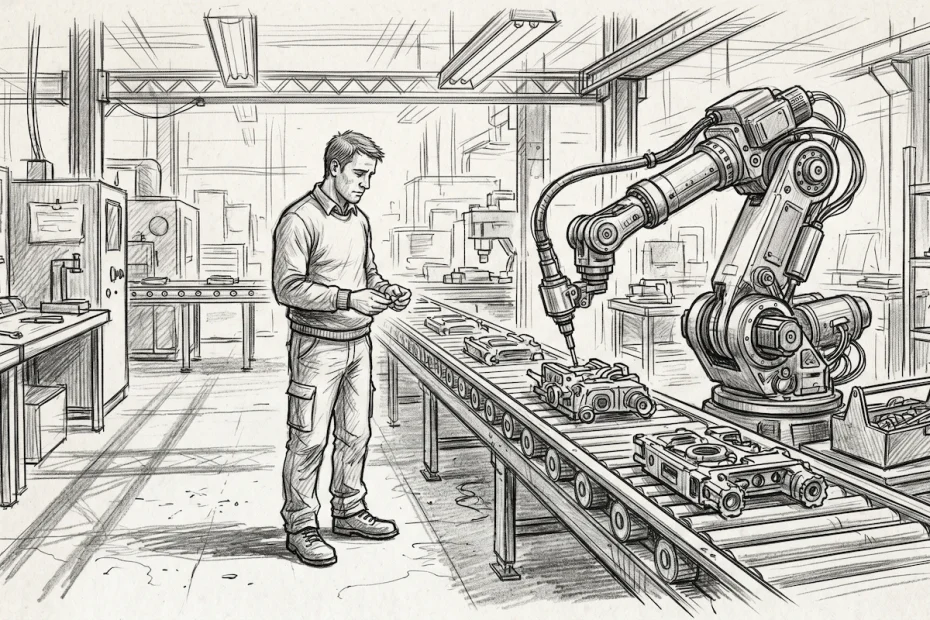
The transition of Artificial Intelligence from a distant, futuristic concept to a daily collaborator has fundamentally shifted the global professional landscape. We are currently witnessing a historical pivot: while the Industrial Revolution of the 19th century focused on replacing physical labor with mechanical power, the AI revolution of the 21st century is specifically targeting cognitive tasks.
This shift is not merely about speed; it is about the automation of logic, pattern recognition, and data synthesis, skills that were once considered the exclusive domain of the human mind.
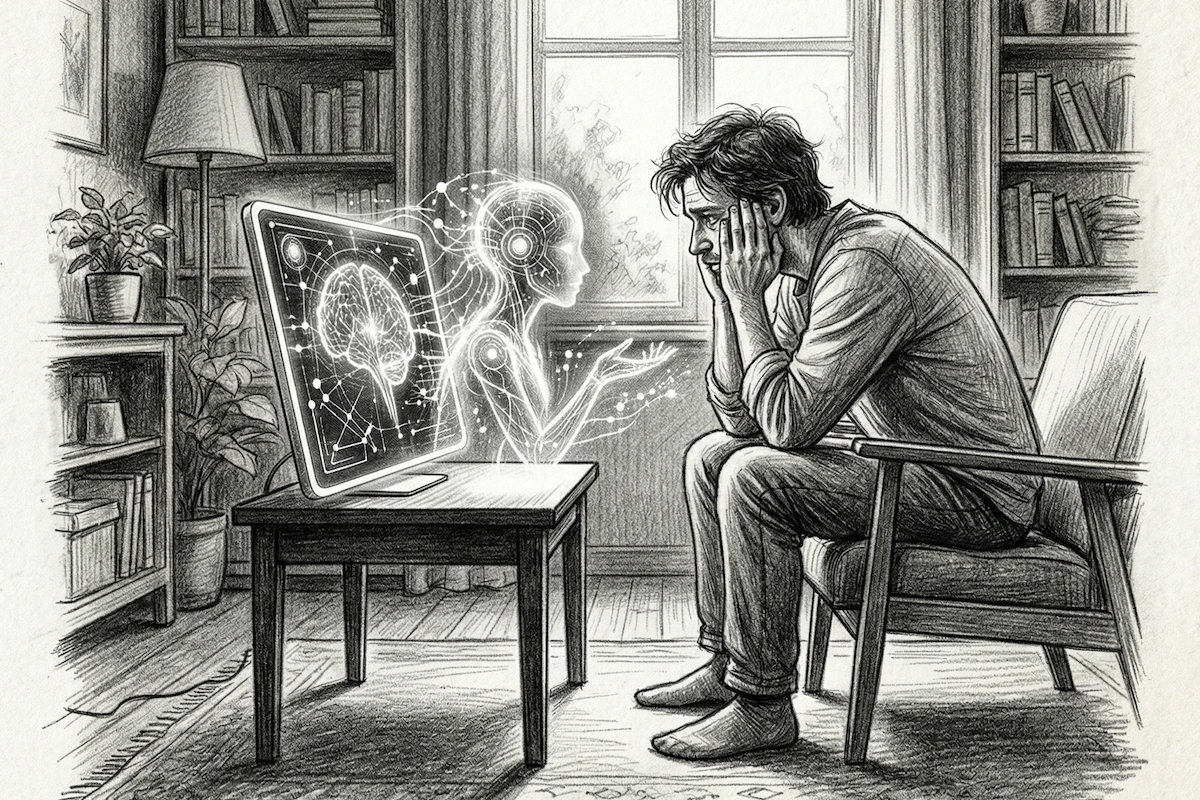
However, the term “replaced” requires a nuanced perspective. It does not always signify the total extinction of a career path. In many cases, it points toward a profound mutation. The workforce is moving away from “doing” the repetitive work and toward “auditing” or “curating” the output of generative models. To stay relevant, professionals must now learn to pilot these machines, mastering the art of prompt engineering and ethical oversight rather than trying to compete with the sheer processing power of an algorithm.
Which jobs will AI replace? Mapping the new professional frontier
Understanding the scope of this change is essential for anyone entering or navigating the modern job market. The question is no longer if AI will impact your industry, but how deeply it will integrate into your daily workflow. The most vulnerable positions are those defined by structured, predictable, and digital outputs. As AI models become more sophisticated, they are moving beyond simple automation into complex problem-solving roles that were previously thought to be “safe.”
The following analysis examines the ten sectors and professions currently on the frontline of this algorithmic automation.
These roles are at a crossroads: they face the highest risk of displacement but also offer the greatest opportunity for those who can successfully pivot toward high-level strategy and human-centric value.
1. Content writers and translators
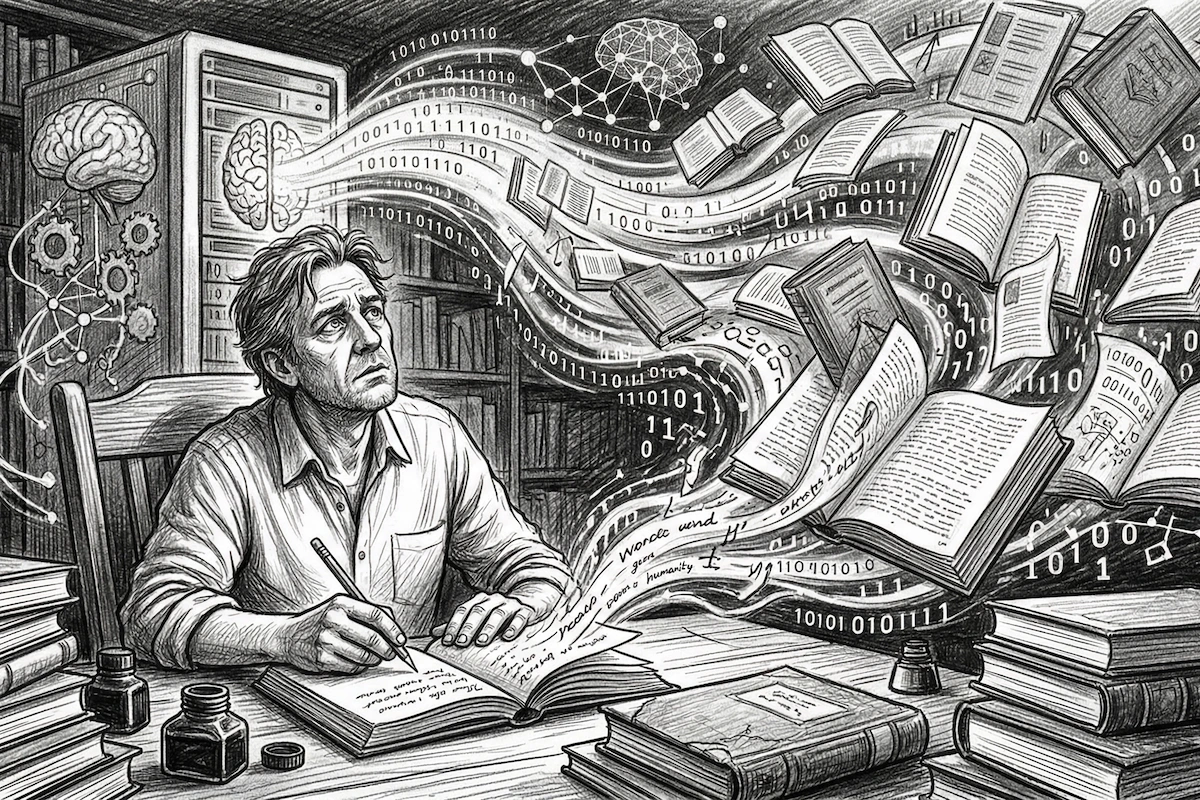
This is arguably the most visible sector. With the rise of Large Language Models like GPT-5, producing informative text, product descriptions, or standard marketing articles has become nearly instantaneous. Technical translators are also under immense pressure: tasks that once took humans hours are now handled by AI in seconds with increasing accuracy.
The survival of these professionals now lies in high-value-added work: creative storytelling, investigative journalism, and nuanced cultural adaptation that machines cannot yet fully grasp.
2. Data entry and administrative analysts
Any role that involves transferring information from one medium to another is at risk. AI excels at data extraction, document filing, and updating databases without ever suffering from a lapse in concentration.
Administrative departments are seeing repetitive tasks vanish in favor of software capable of reading invoices, filling out complex forms, and detecting accounting anomalies in the blink of an eye.
3. First-level customer service
You have likely noticed that chatbots have become incredibly efficient. For recurring questions regarding order tracking or password resets, AI is unbeatable.
It is available 24/7, speaks every language, and remains polite under all circumstances. While human advisors remain essential for complex disputes requiring empathy, massive call centers are thinning their ranks in favor of automated solutions.
Related: The guide to solving Math: Why AI is a game-changer
4. Accounting and payroll clerks
Accounting is governed by strict rules and numbers, AI’s favorite playground. From managing expense reports to preparing balance sheets, modern software now automates almost the entire accounting cycle.
The role of the accountant is undergoing a radical shift: from a “data processor” to a “strategic advisor.” Human expertise is moving toward tax strategy and financial coaching, leaving pure calculation to algorithms.
5. Stock illustrators and production graphic designers
The arrival of image generation tools has caused an earthquake in the visual world. For creating quick illustrations, generic logos, or presentation mockups, AI has become the go-to tool for cost reduction.
Graphic designers who focused primarily on technical execution are the most exposed. However, art direction, branding strategy, and global creative vision remain, for now, uniquely human domains.
6. Financial analysts and junior traders
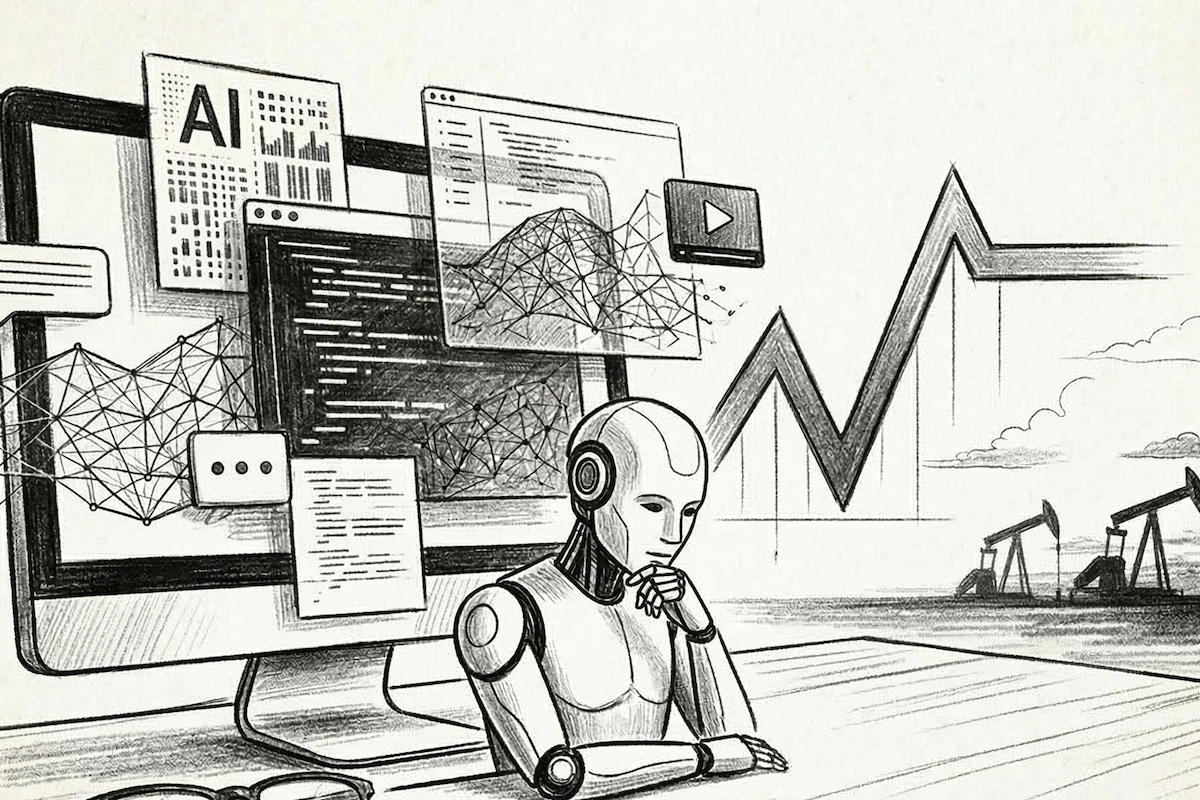
AI can ingest millions of annual reports, tweets, and market data points in milliseconds to predict trends. In major investment banks, the research and synthesis work once assigned to junior graduates is now largely automated. While the final decision remains human (or human-assisted), the machine’s ability to spot correlations invisible to the naked eye is completely redefining the financial hierarchy.
7. Proofreaders and copy editors
Why pay a human editor to hunt for spelling and syntax errors when integrated tools now correct style, tone, and grammar in real-time? Basic proofreading is becoming a free software commodity. The human role is shifting toward substantive editing, fact-checking, and checking the coherence of thought—areas where AI can still “hallucinate.”
8. Paralegals and legal researchers
In law, the “discovery” phase, analyzing thousands of documents and precedents to build a case, is a monumental task. AI can now scan entire legal databases to find relevant case law in record time. Lawyers aren’t disappearing, but the army of assistants who used to prepare their files is seeing their workflow totally disrupted by automated document research.
Related: Legal access for everyone: Why and how to use the AI lawyer
9. Drivers and delivery workers (Medium term)
This is the technological and regulatory challenge of the decade. While full autonomous driving (Level 5) is taking longer than expected, long-haul trucking on highways and “last-mile” delivery robots are making giant leaps. In dense urban areas or controlled environments (warehouses, ports), transport automation is a real threat to millions of driving jobs worldwide.
10. Entry-Level software developers
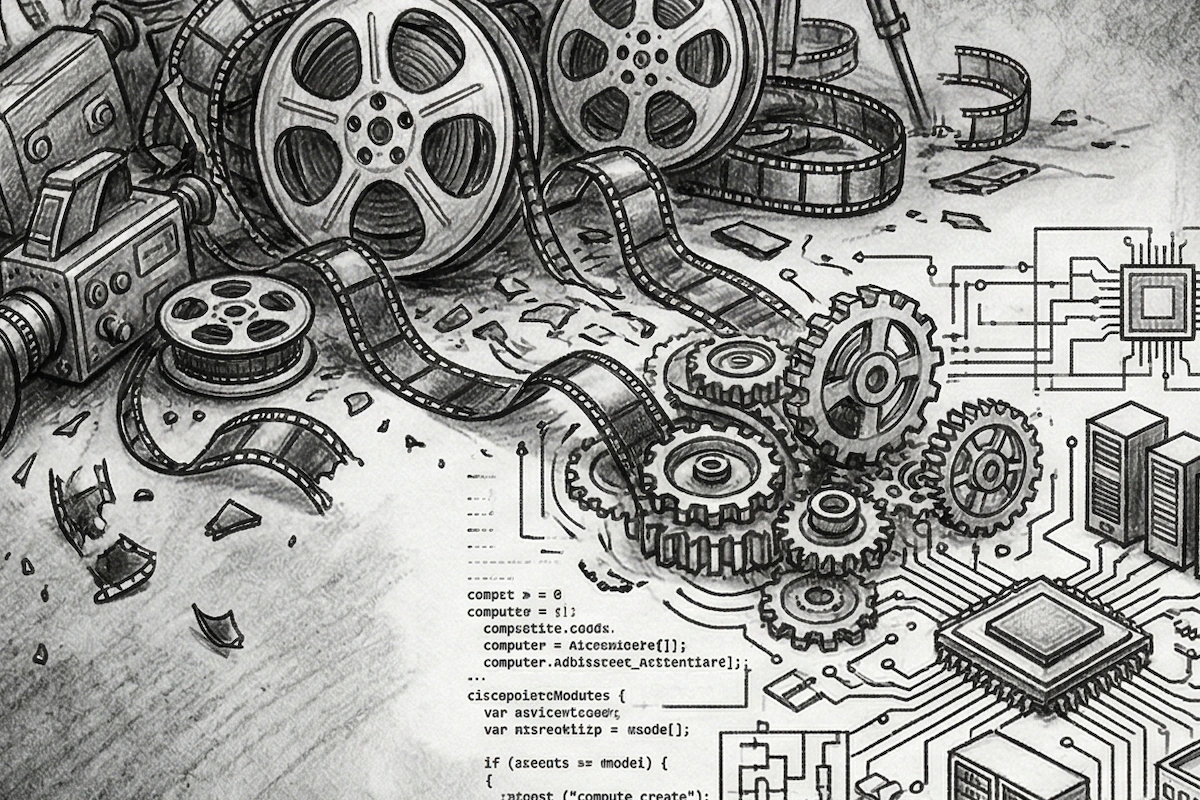
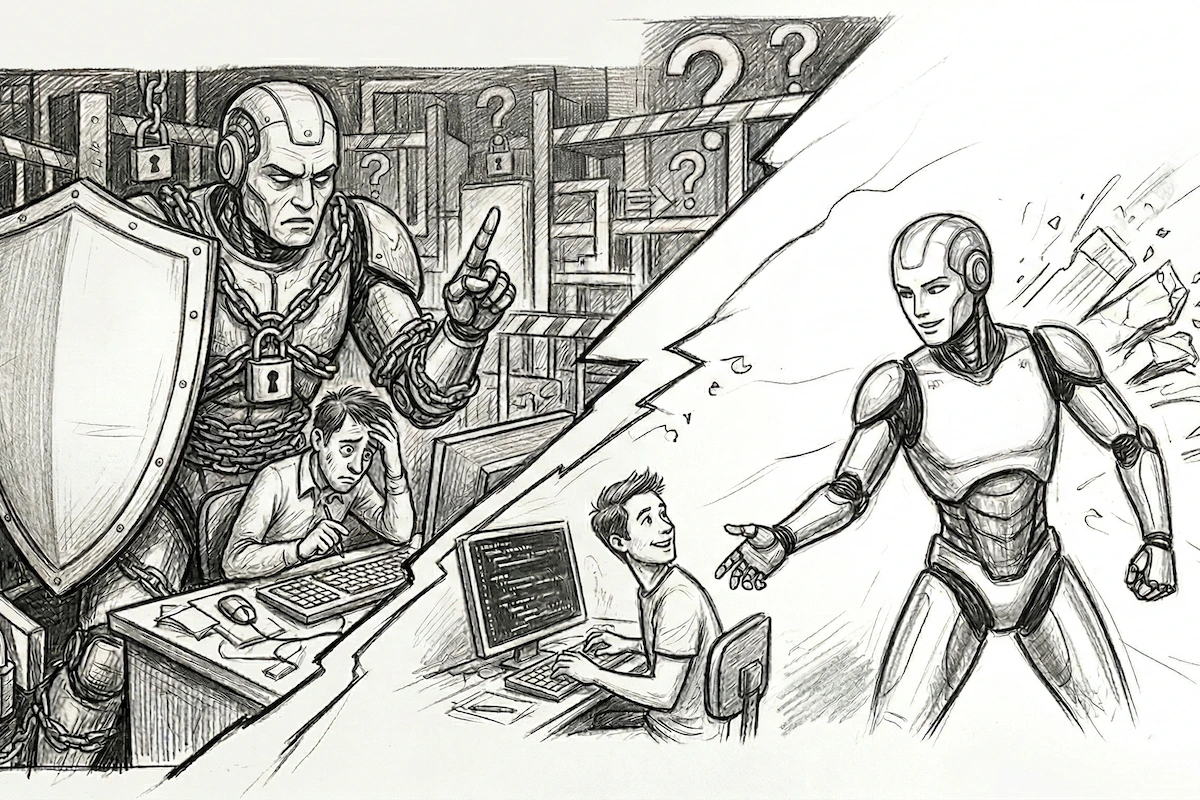
It may seem ironic, but AI now writes code. Autocomplete tools can generate entire functions, debug simple scripts, and convert one programming language to another. The “coder” who sticks to repetitive tasks is under threat. However, the software architect, the one who designs the overall structure and solves complex logical problems, is seeing their efficiency multiplied rather than their position eliminated.
Related: An AI that codes for you, free and without limits
The end of work or the end of drudgery?
While this list may seem alarmist, it primarily illustrates a historical transition. AI excels at “doing,” but it still struggles with “wanting” and “feeling.” The professions that will survive and thrive are those that place emotional intelligence, ethics, pure creativity, and critical judgment at their core.
The real risk may not be being replaced by an AI, but being replaced by a human who knows how to use one.